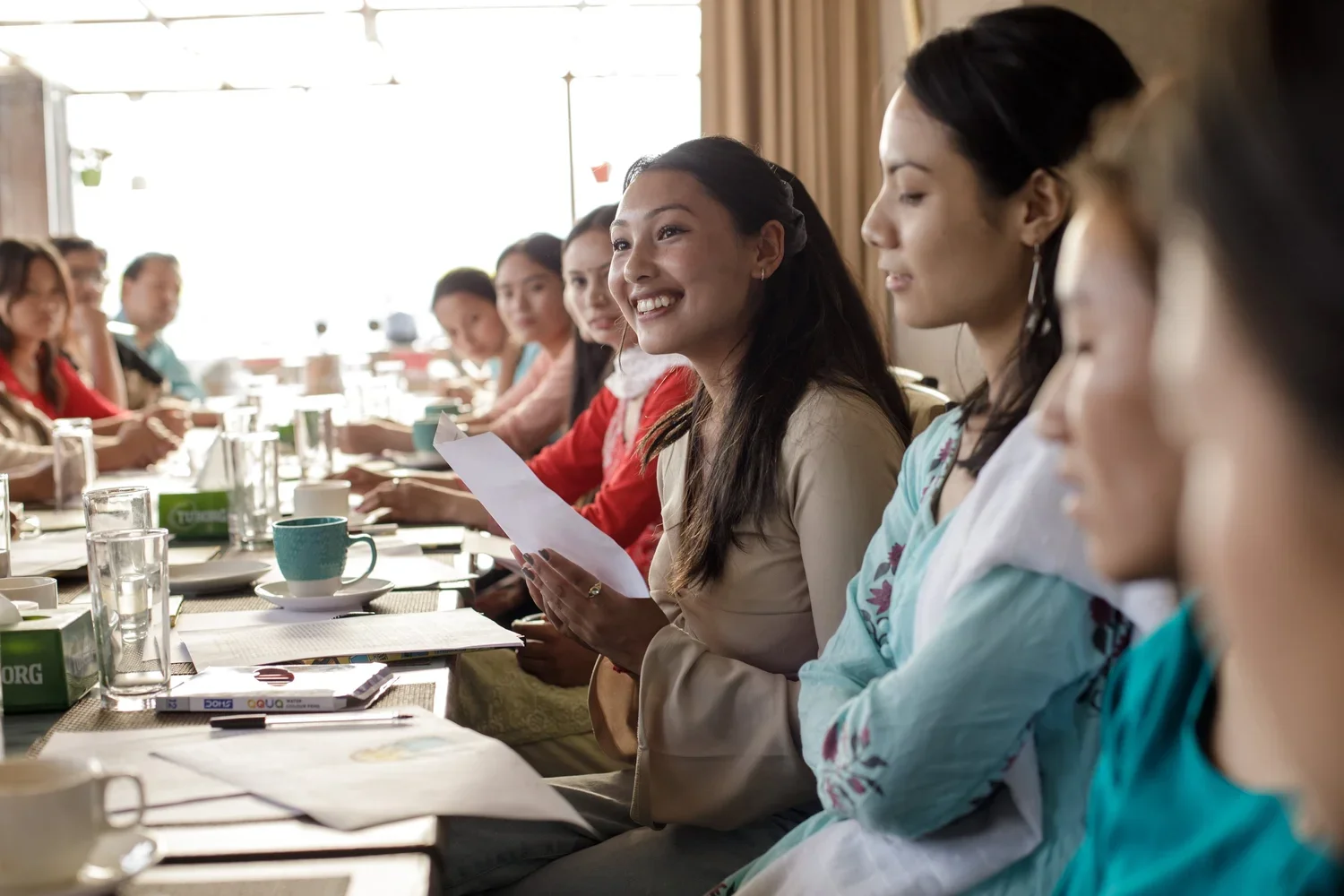
Life for women in Nepal
Nepal has seen real progress in girls’ education and women’s rights, but the path into independent, secure adulthood is still far too narrow for many young women. Poverty, unequal access to education, limited paid work, unsafe transport, and deeply rooted gender expectations continue to shape what is possible. Women’s labour force participation remains far below men’s, and when women do work, they are more likely to be in lower-paid, less secure roles. Girls and young women are also still underrepresented in higher-level study pathways such as STEM and other professional fields. (World Bank)
For young women from underprivileged backgrounds, these pressures are even harder. Many of the women connected to SAHAS began life in children’s homes or in families with very limited resources. Even when they are intelligent, motivated, and already studying, the practical realities of rent, food, transport, books, and safe independent living can put higher education out of reach. Without support, some young women face intense pressure toward early marriage as a survival strategy rather than a true choice. Child marriage remains a serious issue in Nepal: UNICEF reports that about 1 in 3 young women aged 20–24 were married before 18. (UNICEF)
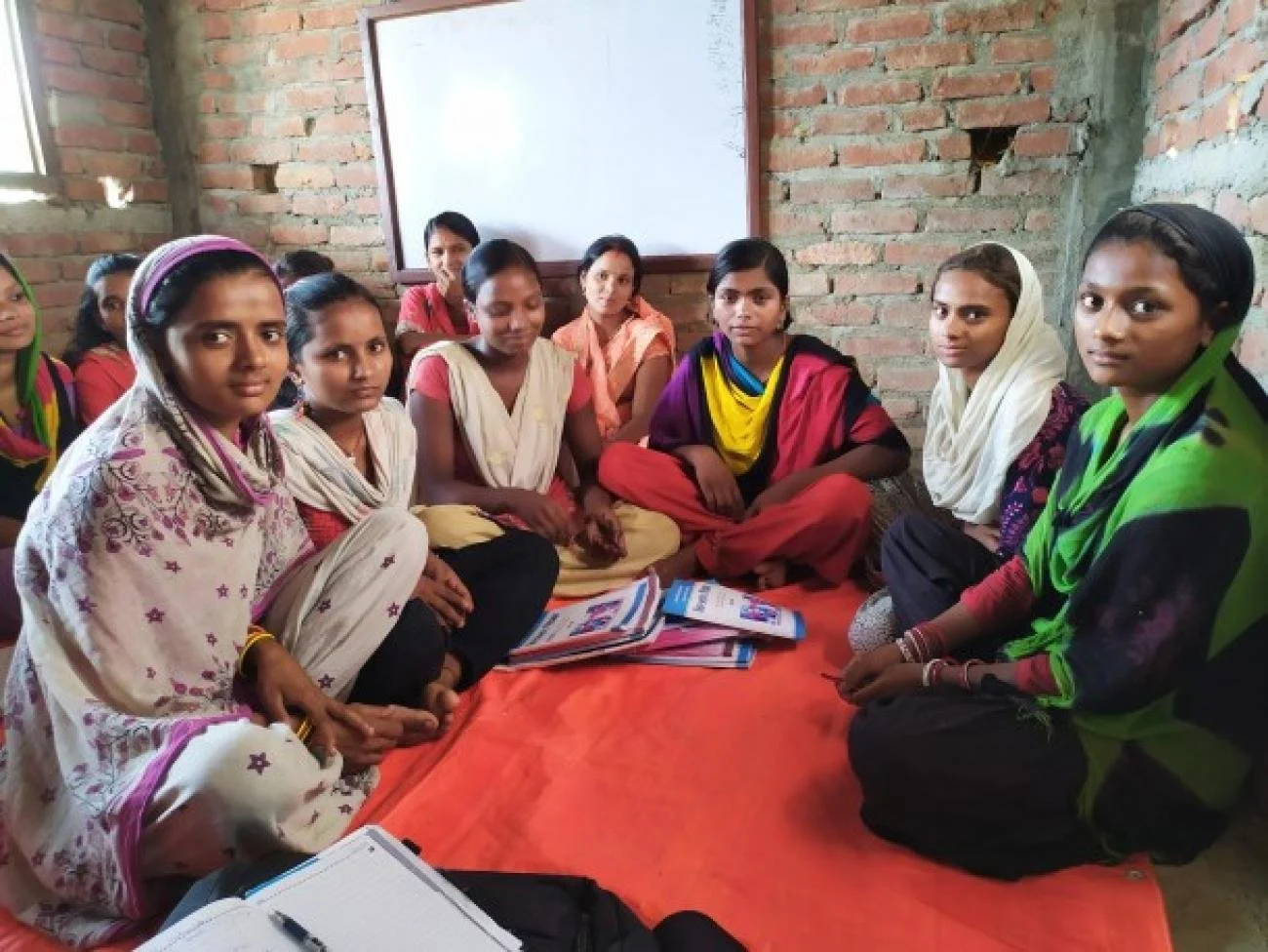
There are also more severe risks at the margins of poverty. Nepal has legally abolished systems of bonded labour such as Kamlari, in which girls were historically forced into domestic servitude, but the legacy of that exploitation has not vanished overnight. The same conditions that make girls vulnerable to labour exploitation—poverty, low social protection, weak access to education, and dependence on others for survival—also increase the risk of trafficking. Human trafficking in Nepal remains both internal and cross-border, with women and girls exploited for sexual exploitation and forced labour. (International Labour Organization)
SAHAS Pathways exists in response to this reality. The program is built on a simple belief: when young women are given practical support, guidance, and the chance to live and study with dignity, higher education becomes not only possible, but sustainable.
SAHAS is not about rescue. It is about widening the narrow path that far too many young women in Nepal are still expected to walk alone.